
In 2026, AOE reviewers continue to make outstanding contributions to the peer review process. They demonstrated professional effort and enthusiasm in their reviews and provided comments that genuinely help the authors to enhance their work.
Hereby, we would like to highlight some of our outstanding reviewers, with a brief interview of their thoughts and insights as a reviewer. Allow us to express our heartfelt gratitude for their tremendous effort and valuable contributions to the scientific process.
Wenxue Ma, University of California San Diego, USA
Wenxue Ma
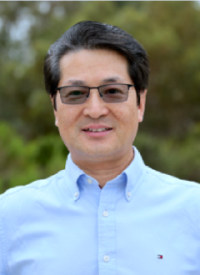
Dr. Wenxue Ma is a board-certified surgical oncologist and physician-scientist, currently serving as Director of Drug Discovery at the Sanford Stem Cell Institute, University of California San Diego. His research focuses on cancer immunotherapy, cancer stem cell biology, and translational oncology, with an emphasis on mechanism-driven therapeutic development. He has led studies targeting leukemia stem cells and tumor microenvironment interactions, including the development of splicing modulators such as 17S-FD-895. He has published extensively in leading journals and serves as Executive Guest Editor and Editorial Board Member (EBM) for Cytokine and Growth Factor Reviews, Associate Editor for Frontiers in Immunology and Frontiers in Oncology, as well as EBM for a few more oncology journals. His current work integrates biomarker discovery, immune modulation, and next-generation therapeutic strategies to advance precision oncology. Connect with him on LinkedIn.
In Dr. Ma’s opinion, reviewers should prioritize scientific rigor, originality, and clinical or translational relevance. A balanced evaluation requires assessing whether the study addresses a meaningful gap, uses appropriate methodology, and provides sufficient evidence to support its conclusions. Equally important is constructive feedback. Reviewers should not only identify issues but also provide actionable suggestions to improve clarity, structure, and scientific depth.
To minimize bias, Dr. Ma focuses strictly on the scientific content rather than authorship, institution, or preconceived expectations. He usually uses a structured evaluation approach, assessing novelty, methodology, data quality, and interpretation independently. When uncertainties arise, he cross-checks current literature to ensure fair contextualization. He also remains aware of confirmation bias, particularly when findings align with or challenge his own work and consciously evaluates whether conclusions are evidence-based rather than assumption-driven.
“I treat peer review as an integral component of academic responsibility rather than an additional task. I allocate dedicated time blocks each week; prioritizing manuscripts aligned with my expertise. Efficient review relies on a structured workflow: initial rapid screening followed by focused, in-depth analysis. Maintaining this discipline allows me to contribute meaningfully to the scientific community while balancing research, clinical, and administrative responsibilities,” says Dr. Ma.
(by Lareina Lim, Brad Li)
